Beyond 20/20: Vision Problems a School Screening May Miss
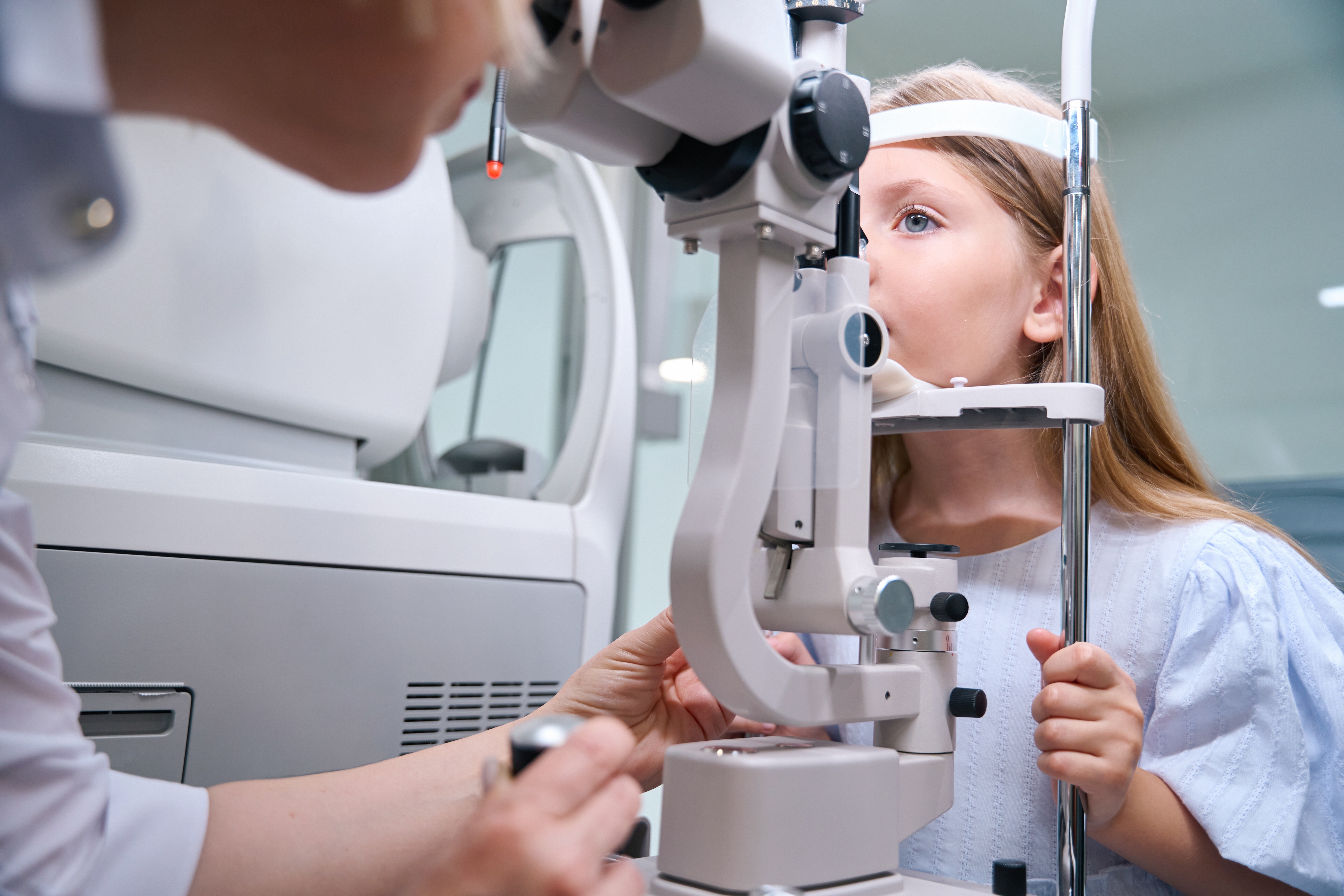
A school vision screening can be a helpful first step in identifying obvious eyesight concerns, but passing one does not always mean a child’s vision is working as well as it should. Many screenings focus primarily on how clearly a student can see letters or symbols at a distance. Children can have 20/20 vision and still experience problems that affect reading, concentration, coordination, and classroom performance.
A comprehensive eye exam takes a closer look at the different visual skills children rely on throughout the school day.
20/20 Vision Is Only One Part of Healthy Vision
The term 20/20 describes visual acuity, or how clearly someone can see at a specific distance. It does not provide a complete picture of how the eyes focus, move, work together, or process information during close-up tasks.
For example, a child may be able to read the eye chart clearly but struggle to keep words in focus while reading a book. Another student may see clearly with each eye individually but have difficulty using both eyes together comfortably.
Vision Problems School Screenings May Not Detect
Depending on the type of school vision screening performed, several issues may require a more detailed evaluation. A comprehensive eye exam can assess areas such as:
- Focusing ability when looking between near and distant objects
- Eye teaming and how effectively both eyes work together
- Eye tracking during reading and other visual tasks
- Nearsightedness, farsightedness, and astigmatism
- Eye alignment and binocular vision concerns
- Overall eye health and development
These visual skills can play an important role in a child’s comfort and efficiency at school.
Watch for Signs of a Vision Problem
Children do not always realize that their vision is different from anyone else’s, so they may not complain about blurry or uncomfortable vision. Instead, parents and teachers may notice changes in behavior.
Frequent headaches, eye rubbing, losing a place while reading, holding books very close, avoiding reading, squinting, or difficulty maintaining attention during near work can sometimes indicate that a child needs a comprehensive eye exam.
Changes in school performance can also be worth discussing with an eye doctor, especially when reading or other visually demanding tasks appear to be particularly challenging.
Comprehensive Eye Exams Look Beyond the Eye Chart
A comprehensive eye exam provides more information than a basic school vision screening. In addition to checking visual clarity, an optometrist can evaluate how the eyes focus and coordinate while also examining overall eye health.
Regular exams are particularly important because children’s vision can change as they grow. Nearsightedness, also called myopia, often develops during the school years and may progress over time. Identifying these changes early allows families to discuss appropriate vision correction or myopia management when needed.
Give Your Child a Clearer View of the Classroom
Passing a school vision screening is encouraging, but it should not be considered a replacement for a comprehensive eye exam. Checking the full range of visual skills can help identify concerns that a standard screening may overlook and give children the visual support they need for school and everyday activities.
Help your child see, learn, and thrive with a comprehensive pediatric eye exam at Arora Vision Associates in Cherry Hill, NJ. Call (856) 406-7445 to schedule today.


Arora Vision Associates - Cherry Hill
650 Garden Park Blvd
Cherry Hill, NJ 08002
(856) 406-7445
Arora Vision Associates- East Hanover
156 SR-10 West
Hanover, NJ 07936
(973) 602-2015

© 2026 Arora Vision Associates - Cherry Hill. All Rights Reserved. Accessibility Statement - Privacy Policy - SMS Policy - Sitemap
