
Why Diabetes Can Cause Vision Changes
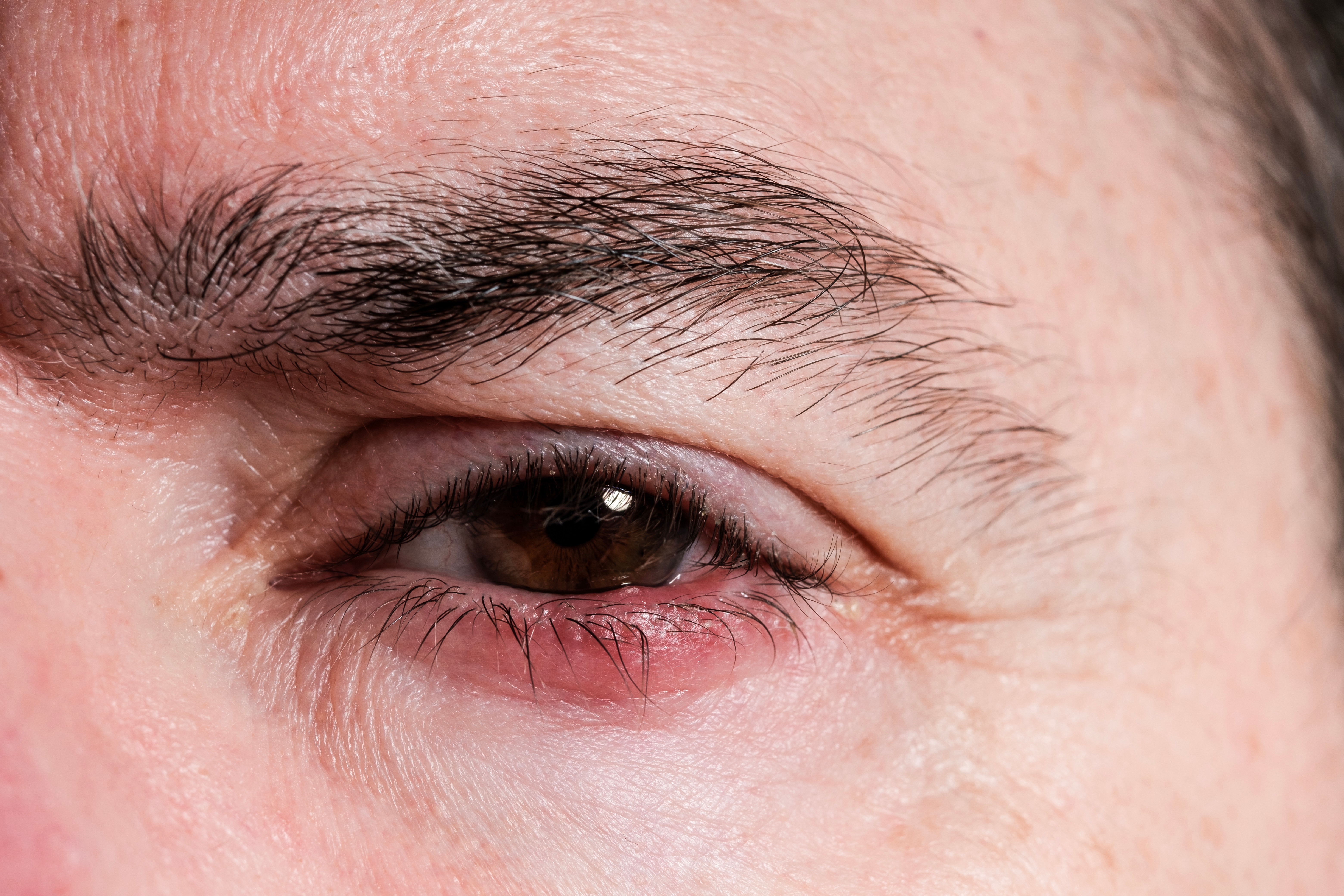
Diabetes can affect more than blood sugar. Over time, high or unstable blood glucose levels can impact the small blood vessels throughout the body, including the delicate vessels that support the retina. The retina is the light-sensitive tissue at the back of the eye, and it plays a major role in clear, detailed vision.
When these blood vessels become stressed, weakened, or damaged, vision changes can develop. Some changes may be temporary, while others may be a sign of diabetic eye disease. That is why regular diabetic eye exams are important for protecting long-term eye health, even when vision seems stable.
Why Vision May Fluctuate With Diabetes
Many people with diabetes notice that their vision changes from day to day. Blood sugar levels can affect the fluid balance in the eye, which may temporarily change the shape of the lens inside the eye. When this happens, vision may become blurry, distorted, or harder to focus.
These shifts do not always mean there is permanent damage, but they should not be ignored. If blurry vision continues or happens often, an eye exam can help determine whether the change is related to blood sugar fluctuations, prescription changes, or an underlying eye health concern.
Common Diabetes-Related Vision Symptoms
Diabetes can cause several types of vision changes. Some may appear gradually, while others can feel more sudden. Patients should schedule an eye exam if they notice:
- Blurry or fluctuating vision
- Spots, floaters, or dark areas in vision
- Difficulty seeing clearly at night
- Faded or distorted central vision
- Sudden changes in clarity
- Eye pressure, discomfort, or unusual visual disturbances
These symptoms can be linked to different eye conditions, including diabetic retinopathy, diabetic macular edema, cataracts, or glaucoma. A comprehensive eye exam helps identify what may be causing the change.
Diabetic Retinopathy And The Retina
Diabetic retinopathy is one of the most well-known diabetes-related eye conditions. It occurs when high blood sugar damages the blood vessels in the retina. In earlier stages, there may be little to no noticeable vision change. As it progresses, leaking fluid, bleeding, swelling, or abnormal blood vessel growth can interfere with vision.
Because diabetic retinopathy can develop without obvious symptoms, routine monitoring is important. Early detection allows your eye doctor to track changes, recommend the right next steps, and help reduce the risk of more serious vision loss.
Why Regular Eye Exams Matter
A diabetic eye exam allows your optometrist to look closely at the retina and other internal eye structures. Advanced imaging can help detect changes that may not be visible or noticeable to the patient yet. These exams are not only about updating glasses or contact lenses - they are about monitoring eye health and protecting vision over time.
For patients with diabetes, eye exams may be recommended yearly or more often depending on their health history, symptoms, and findings. Staying consistent with exams helps create a clear record of any changes and supports better long-term care.
Supporting Your Vision With Diabetes
Managing diabetes and protecting your eyes go hand in hand. Keeping blood sugar, blood pressure, and cholesterol under control can help reduce strain on the blood vessels in the eyes. It is also important to tell your eye doctor about any diabetes diagnosis, medication changes, or new vision symptoms.
Schedule your diabetic eye exam with Arora Vision Associates in Cherry Hill, NJ by calling (856) 406-7445.


Arora Vision Associates - Cherry Hill
650 Garden Park Blvd
Cherry Hill, NJ 08002
(856) 406-7445
Arora Vision Associates- East Hanover
156 SR-10 West
Hanover, NJ 07936
(973) 602-2015

© 2026 Arora Vision Associates - Cherry Hill. All Rights Reserved. Accessibility Statement - Privacy Policy - SMS Policy - Sitemap
